How to Define a Yacht Acquisition Brief
By Maréa Yachts · Reviewed 15 July 2026
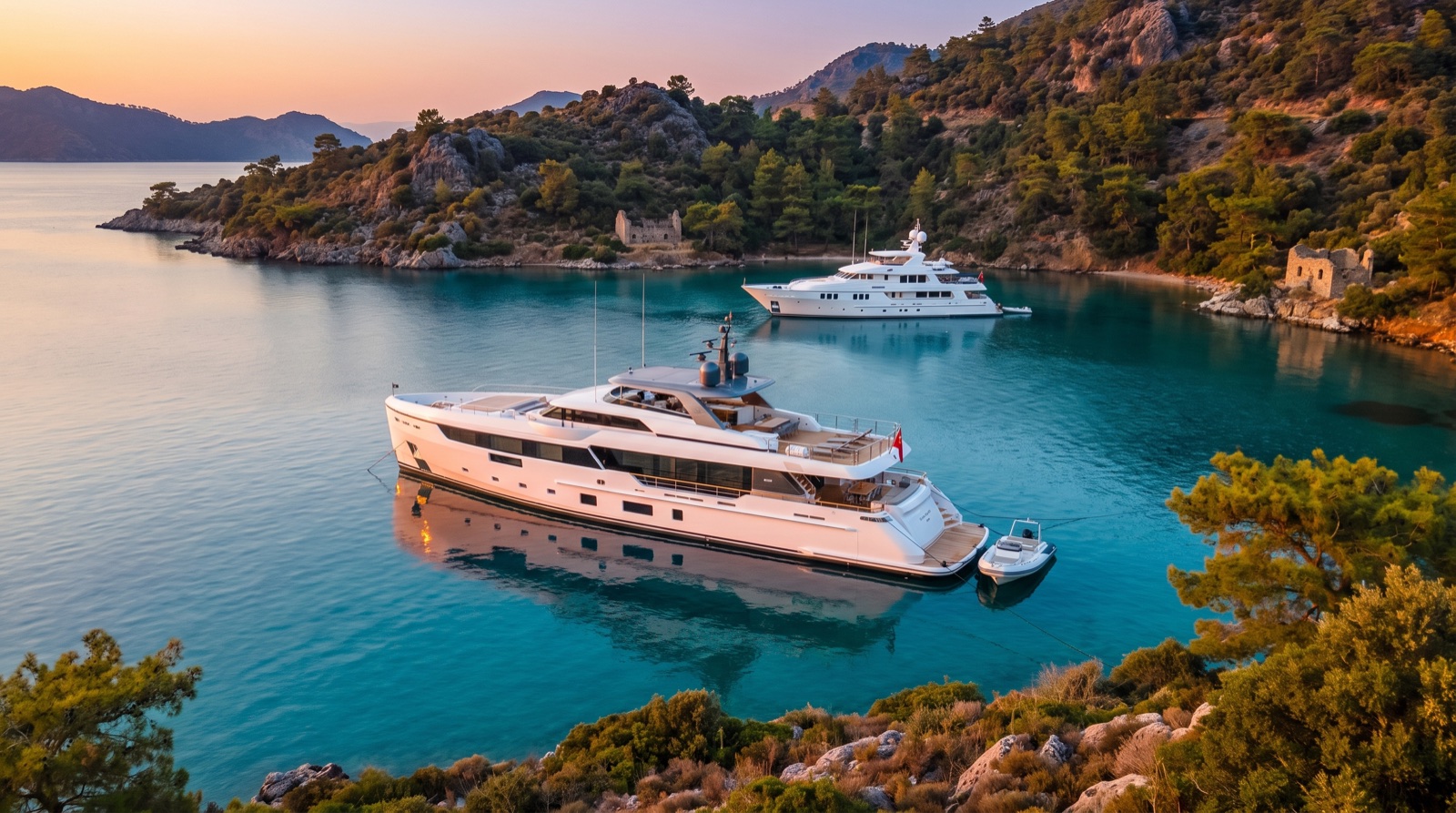
An acquisition brief is a short written statement of what you want a yacht to do for you — how you will use her, who will be aboard, where she will cruise, and what you are prepared to spend to buy and to run her. Its job is to turn vague preferences into filters, so a search can be narrowed honestly instead of drifting through whatever happens to be listed. Written well, it takes an afternoon and saves months.
Start with use, not with boats
Most searches begin with pictures. That is understandable, and it is also why so many of them stall: a yacht that photographs beautifully may be entirely wrong for the way you will actually spend time aboard. The more useful starting point is a plain description of the intended use.
Three broad patterns cover most owners. The first is charter-style holidays — a week or two at a time, mostly warm weather, short hops between bays, guests aboard, comfort at anchor mattering more than passage-making. The second is long cruising — extended time aboard, longer legs, a need for range, tankage, sea-keeping and somewhere to be comfortable when the weather is not. The third is a marina base — the yacht largely lived on or entertained on at her berth, with occasional short trips, where interior volume and shade matter far more than performance. These lead to genuinely different yachts. Be honest about which one describes you rather than which one sounds best.
Guests and cabins
Decide how many people you need to sleep in comfort on a normal trip, not on the busiest weekend you can imagine. Then decide who they are: children, adult couples, occasional guests, and whether crew will be aboard — crew need their own accommodation, and on smaller yachts that quarter is what forces the next size up. A brief that says "four guests in two double cabins, plus one crew cabin" is workable. A brief that says "sleeps eight or so" is not.
Size — and why it drives everything
Length is the single number with the widest downstream consequences. It shapes purchase price, but it also shapes berthing fees, haul-out and antifouling costs, insurance, the size of the systems, whether you need paid crew, and which marinas and bays are comfortable. Small increases in length can produce disproportionate increases in annual cost, and the size at which crew becomes necessary is a real threshold — cross it and the running-cost picture changes shape, not just scale.
Write a range rather than a figure, and note the constraint behind it: a maximum length or beam your home berth allows, or a minimum below which the cabin count does not work.
Motor or sail
This is a question about how you want to travel, not about which is better. Motor yachts offer speed, predictable timings, generally more interior volume for a given length, and simpler handling for guests — at the cost of fuel and, often, a less peaceful ride. Sailing yachts reward time and involvement, tend to be quieter at sea, and suit owners who enjoy the passage as much as the destination. Consider also that motor yachts and sailing yachts of similar length occupy very different worlds in terms of draft, crewing and maintenance. If you genuinely do not know, spend time aboard both before committing the brief.
New or used
A new build gives you specification, layout and finish exactly as you want them, a warranty, and a known history — in exchange for a wait, a build process to manage, and payments staged over time. A used yacht is available now, has a documented history to inspect, and lets you see exactly what you are buying — but you inherit someone else's decisions and, eventually, someone else's deferred maintenance. Neither is the safer choice in the abstract. Note in the brief whether you are open to both, because it roughly doubles or halves the field.
Budget: purchase price and running costs
The brief should carry two numbers, not one. The first is the purchase range. The second is what you are comfortable spending each year to keep the yacht — and this is where searches most often go wrong, because the annual figure is what determines whether ownership stays enjoyable.
Annual costs typically include crew (salaries, insurance, training, uniforms and travel, if you employ any), berthing at the home marina and while cruising, insurance for hull and liability, routine maintenance and servicing, haul-out and antifouling, fuel, and a reserve for refit and larger periodic works. These vary widely by yacht, flag, location and how much you use her, so they should be estimated for the specific candidate rather than taken from a rule of thumb. The point of writing the annual number first is that it can rule out a purchase price you could technically afford.
Cruising area, draft and range
Where you intend to cruise sets real physical constraints. Shallow bays and certain marinas put a ceiling on draft. Longer legs or quieter, less serviced coastlines put a floor under range, tankage and redundancy. Seasonality matters too — a yacht kept in Türkiye and used mainly in summer is a different proposition from one expected to move between regions. Name the area in the brief, and name the trip you most want to make. Both are testable against a specification.
Flag, ownership structure and tax
Flag choice and ownership structure affect registration, compliance regimes, whether the yacht may be chartered, crew requirements, and tax treatment including VAT. These interact with where the yacht is bought, kept and used, and they are decisions to take with qualified legal and tax advisers early — not after a yacht has been found. The brief should not attempt to answer them. It should record which questions are open and note any constraints you already know, such as an intention to charter or a preference for a particular jurisdiction.
Timeline
Say when you want to be aboard, and why. A specific season creates a real deadline: survey, negotiation, closing, registration and any works all take time, and a used yacht in the wrong place may need to be moved. If the date is soft, say so — flexibility is itself useful information, because it changes what is worth waiting for.
What a strong brief contains
- Intended use, described in plain sentences — the actual trips you expect to make
- Guest numbers, cabin configuration, and whether crew will be aboard
- A length range, with the constraint that sets each end of it
- Motor or sail — or an honest note that this is still open
- New, used, or both
- Purchase range and a comfortable annual running budget, including a refit reserve
- Cruising area, plus any draft or range limits it implies
- Known constraints on flag, ownership or chartering, and the questions still open for advisers
- Target timeline and how firm it is
- A short list of what is non-negotiable, and what you would trade away
That last line does more work than any other. A brief with no priorities cannot resolve a compromise, and every acquisition involves compromise.
Why a brief opens up more than the listings
Public listings show what is being actively marketed at this moment. They are a useful starting point and an incomplete picture. Yachts are also sold quietly — because an owner is considering it but has not committed, because a yard or captain knows a boat is coming free, because a project is being reconsidered. None of that is searchable.
A precise brief is what makes those conversations possible. It can be described to owners, captains and yards in a sentence, and it lets someone say yes or no without a catalogue. It also makes filtering the listed market faster and more honest, because the compromises are named in advance rather than rationalised at the viewing. That is most of what an advisor does with a brief: use it to look, and use it to say no.
What should I decide first when buying a yacht?
Start with intended use — how you actually plan to spend time aboard. Almost every other decision, including size, layout, motor or sail, and running cost, follows from that. Deciding a budget before deciding a use tends to produce a search that never settles.
How detailed does an acquisition brief need to be?
A page is usually enough. What matters is that it is specific: a guest and cabin count, a length range rather than a single number, a cruising area, a total budget including running costs, and a note on which points are firm and which are negotiable.
Should I set a budget before or after defining the brief?
Set a purchase range early, but treat it as provisional until you have modelled annual running costs — crew, berthing, insurance, maintenance and a refit reserve. Those costs vary widely by yacht, flag and location and should be estimated for the specific candidate rather than assumed.
Can a brief help find yachts that are not publicly listed?
Yes. A precise brief can be taken to owners, captains and yards to ask whether anything matching it might be available. Some yachts change hands quietly, and a clear brief is what makes that kind of enquiry possible.
Related reading: Yachts for sale in Türkiye · What to check when buying a used yacht